Healthcare Tips and Advice Guide by David R Stolman
This Article Revised on 4 August 2026 at 21:48
Helpful Healthcare Guidance for Choosing the Right Clinic
Picking a healthcare provider should feel reassuring, straightforward and based on evidence rather than guesswork. When comparing private clinics, start with clinical skill, patient safety, and whether the service truly fits your symptoms. For ear care, that means checking the treatment method, the clinician's experience, and whether the setting provides proper infection control, disabled access and sensible aftercare. A good clinic should explain what it does, who it is suitable for, and when a referral makes more sense. In the UK, people often want prompt access, but speed should never crowd out clinical judgement. Ask whether the provider uses recognised procedures, clean instruments and honest advice, especially if wax removal, hearing support or a GP review would be better for you. The strongest choice is usually the one that blends convenience with safe, transparent care.
What to Check Before You Book
- Review whether the provider explains the treatment method, the expected outcome and the common side effects in plain English, so you are not left guessing before you attend.
- Look for information on access, parking, step-free entry and wheelchair suitability, because those practical details can make the visit much easier and safer.
- See if the clinic names the technique, such as microsuction, and states clearly when it may not suit certain ear conditions or recent infections.
- Check the practitioner profile for relevant training, experience and professional standards, particularly where ear health and patient assessment are involved.
- Confirm that aftercare advice is available, including what to do if symptoms linger, if hearing stays muffled, or if pain appears after the appointment.
When a Referral May Be the Smarter Route
If you have severe pain, discharge, sudden hearing loss, dizziness or a history of ear surgery, a clinic should not simply charge ahead with treatment. In those situations, a GP, audiologist or ENT specialist may need to assess you first. Responsible providers will spot red flags and explain the next step without pressure or fuss. That is a sign of safe practice, not a roadblock to care.
Tip for First-Time Patients
Take a short list of symptoms, any previous ear issues and the medicines you use. It helps the clinician make a quicker and safer assessment.
Small but Useful Detail
If you wear hearing aids, mention that straight away. Ear wax build-up, feedback and reduced sound quality can be linked, and that background helps shape better advice.
How Ear Wax Removal Works, and Why the Method Matters
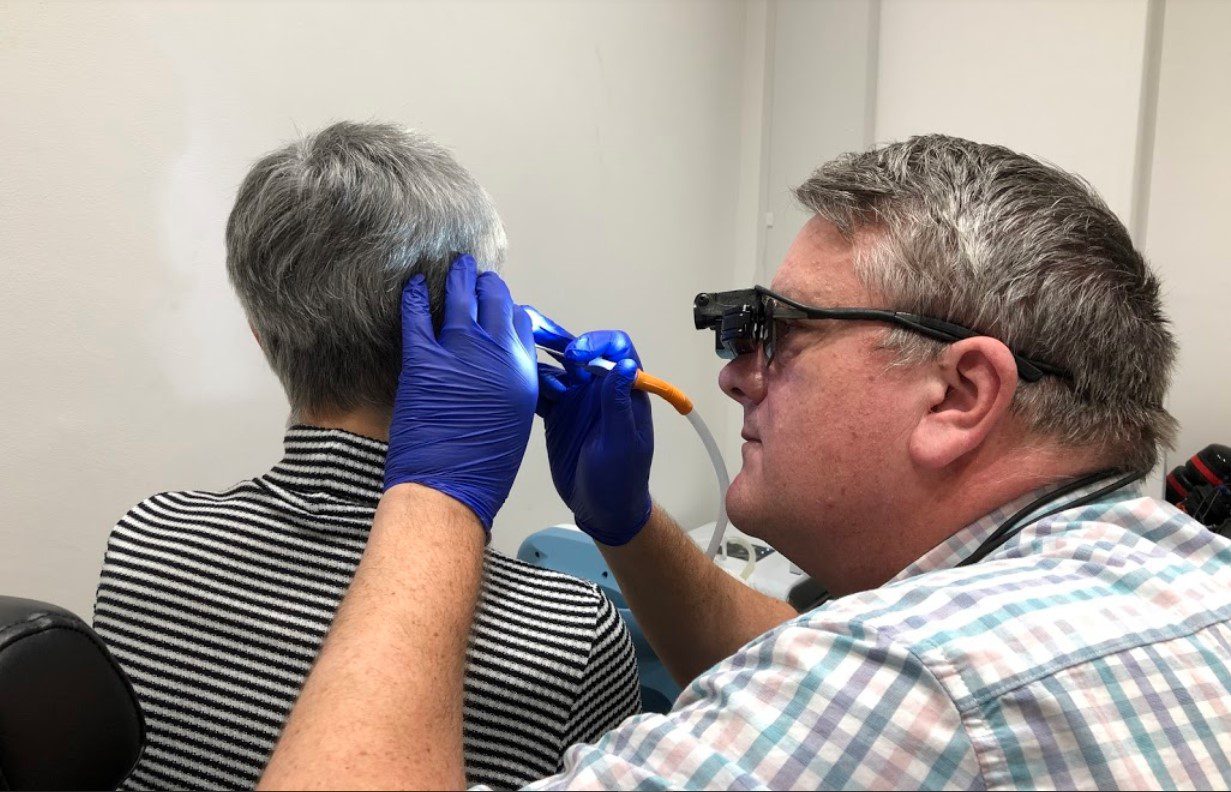
Ear wax, also called cerumen, protects the ear canal by trapping dust and lowering the risk of irritation. Problems begin when it builds up, hardens or becomes impacted, because that can lead to blocked hearing, tinnitus, discomfort or a feeling of fullness. Not every removal method suits every person. Ear drops may help soften wax, but some people need a more direct approach. Microsuction is often used in private ear care because the clinician can see the ear canal and remove wax carefully under direct vision. Syringing or irrigation may be suitable in some cases, but it is not always the best choice for people with perforations, infections or a history of ear problems. A good healthcare guide should spell out the difference plainly, because informed choice matters. Treatment ought to be guided by the ear's condition, not a one-size-fits-all promise.
Common Clues That Wax May Be the Cause
- A sudden drop in hearing can be caused by wax, especially if the blockage seems stronger in one ear and eases briefly after ear drops or jaw movement.
- Muffled sound, echoing or the sense that speech is far away often suggests obstruction in the ear canal, although other causes still need to be considered.
- Itching, pressure and mild discomfort can appear when wax sits near the eardrum or when the canal has become irritated.
- Ringing in the ears, known as tinnitus, may flare up when wax changes how sound reaches the inner ear.
- A blocked feeling after swimming, showering or using cotton buds can happen when moisture swells existing wax and makes it more compact.
Why Direct Assessment Is Safer
Looking into the ear with proper equipment allows a clinician to judge whether the problem is wax, inflammation, a foreign body or something that needs medical review. That matters because the wrong treatment can make symptoms worse. In UK practice, patients should expect clear consent, sensible explanation and a plan for what happens if the wax is too hard, too deep or too close to the eardrum.
Tip for Patients Who Use Drops
Use ear drops only as directed. If they sting, worsen pain or make you feel unwell, stop and seek advice from a qualified clinician.
Small but Useful Detail
Never put cotton buds, hair grips or tissues into the ear canal. They often push wax further in and can scratch the skin, which slows recovery.
Spotting a Trustworthy Private Clinic
Trust in healthcare grows from clarity, consistency and proper standards. A reliable private clinic should explain what it offers, who performs the treatment, and how safety is managed before, during and after the appointment. Look for plain language about clinical governance, consent and suitability. If a clinic is vague about practitioner training, pushes you to book quickly, or avoids explaining the limits of treatment, treat that as a warning sign. Patients looking for ear care, audiology support or minor procedure advice need facts, not glossy marketing. The site should make it easy to understand the service, the likely benefits and the possible downsides. Good clinics do not promise miracles. They explain what they can do, what they cannot do, and when another route is better. That is the kind of evidence-informed care that builds patient confidence.
Signs of Good Practice
Strong providers usually share practical details that help patients make a safer decision. Those details might include how appointments are run, whether a consultation is available first, how aftercare is handled, and whether the service is suitable for adults with recurring wax problems or hearing aid users. Clear information about infection control, single-use equipment where relevant, and escalation if symptoms suggest something more serious is especially valuable. Transparency about waiting times and fees also matters, because it cuts down on pressure and confusion.
Questions Worth Asking Before Treatment
- Who carries out the procedure, and what clinical experience do they have in ear care or related healthcare services?
- What happens if the clinician cannot remove the wax safely at the first visit, and is there a follow-up plan?
- Do you offer advice for people with tinnitus, eczema, perforated eardrums or recurring infections?
- How do you handle consent, privacy and infection prevention in a busy outpatient setting?
- What aftercare should I follow if my ear feels sensitive, blocked or slightly sore after treatment?
Tip for Comparing Providers
Choose the clinic that answers questions directly. A clear response is usually more useful than a long list of claims.
Small but Useful Detail
If you need appointments around work or childcare, check practical access early. A good clinic should be open about timings, ground-floor access and whether the environment suits mobility needs.
Preparing Well for Your Healthcare Appointment
Preparation makes an appointment smoother and often improves the outcome. Before attending a private clinic, gather key details about your symptoms, past ear problems, allergies, medicines and any previous procedures. If you are booking ear wax removal, think about whether you have used softening drops, whether one ear feels worse than the other, and whether you have had pain, discharge or dizziness. That information helps the clinician decide if treatment is appropriate or if you need a different assessment first. It is also wise to check travel, parking and access so you arrive calmly rather than rushed. In outpatient care, small practical steps can reduce stress and save time. Good planning supports better communication, and better communication supports safer care. This is especially true when you are choosing between a GP visit, an audiology appointment and a private service.
What to Bring with You
A simple preparation checklist can make a real difference. Carry any relevant referral details, a list of current medicines, and notes on previous ear infections, hearing aid use or adverse reactions. If you have diabetes, take anticoagulants or have had ear surgery, mention it clearly. Those details may affect whether microsuction, irrigation or another approach is appropriate. A clinician who takes a careful history is showing good practice, not being overly cautious.
Checklist for a Calmer Visit
- Bring a written summary of symptoms, including how long they have been present and whether they affect one ear or both.
- Wear comfortable clothing and allow extra time for parking, registration and any access arrangements at the clinic.
- Bring glasses if you need them for forms, consent documents or reading aftercare instructions.
- Tell the clinic about hearing aids, recent colds, ear drops or previous wax removal attempts before the procedure begins.
- Ask how soon you should seek help if pain, blocked hearing or tinnitus continues after the appointment.
Tip for Same-Day Reassurance
If you are unsure whether your symptoms are wax-related, ask for an initial assessment rather than assuming you need treatment immediately.
Small but Useful Detail
Do not clean your ears aggressively before the visit. Over-cleaning can inflame the canal and make the examination less comfortable.
Aftercare That Supports Recovery
Aftercare is not an optional extra, it is part of safe healthcare. Once ear wax has been removed, most people notice improvement quickly, but some experience brief sensitivity or a strange sensation while the ear adjusts. A proper clinic should explain what is normal and what is not. That may include mild tenderness, a little residual fullness or temporary awareness of sound that seemed quiet before. If you develop severe pain, bleeding, discharge or worsening hearing, you should seek advice promptly. Good aftercare also covers practical habits, such as avoiding cotton buds and not using drops unless advised. In British healthcare settings, patients are expected to know when self-care is enough and when review is needed. Clear instructions reduce anxiety and help prevent repeat problems, especially for people with recurring cerumen build-up or hearing aid users.
Normal Changes After Treatment
It is common for sound to seem unusually loud or sharp for a short while after wax has been removed. That usually settles as the ear canal and eardrum adjust. Some people notice a slight tickle or an awareness of airflow. That is normally harmless. However, symptoms should improve overall, not get worse. A trusted provider will explain the difference and give you realistic guidance.
When to Seek Further Help
- Contact the clinic or your GP if pain increases rather than easing over the next day or two.
- Seek review if you notice discharge, blood, fever or signs of infection after treatment.
- Get help if hearing stays reduced, especially if the blockage feels the same as before the procedure.
- Ask for advice if tinnitus becomes much louder or you develop dizziness or imbalance.
- Arrange medical assessment if you were told the ear could not be fully cleared and symptoms remain troublesome.
Tip for Protecting the Ear Canal
Avoid swimming, putting objects in the ear or using unprescribed drops for a short time after treatment if the clinician advises rest for the ear.
Small but Useful Detail
If you use hearing aids, check the fit and sound quality after treatment. Once wax has been removed, the device may need to be cleaned or adjusted.
When Symptoms Point to More Than Wax
Not every blocked ear is caused by cerumen. Ear symptoms can come from infection, dermatitis, pressure changes, foreign bodies, middle ear fluid or problems deeper in the hearing pathway. That is why a careful assessment matters. If you have sudden hearing loss, severe pain, facial weakness, persistent dizziness or a foul-smelling discharge, a private wax clinic should not be the only answer. Those signs need medical review. Responsible healthcare advice should help people recognise when to stop self-treating and seek more suitable care. This is especially important in children, older adults and people with long-term ear disease. A good clinician will not treat beyond their competence. They will explain the limits of the service and refer on where needed. That approach protects patients and shows real professionalism.
Red Flags That Need Prompt Attention
Some symptoms need urgent or same-day assessment because the problem may be more serious than wax. Do not wait if you have sudden loss of hearing in one ear, severe pain, swelling around the ear, blood, pus-like discharge, or marked vertigo. If you have had recent trauma, a foreign body in the ear, or a perforated eardrum, the treatment choice changes as well. Ear care should always begin with safety.
How a Good Clinic Should Respond
- Explain why treatment may need to be delayed if the ear looks inflamed, infected or unsafe to treat at that time.
- Offer clear guidance on whether you should contact your GP, NHS 111, an audiology service or urgent care, depending on the symptoms.
- Record the history carefully, including onset, severity, previous problems and any treatment already tried at home.
- Avoid forcing treatment when the view is poor or the risk of harm is too high for a routine appointment.
- Give simple written advice so you know what to watch for over the next 24 to 48 hours.
Tip for Safer Self-Checks
If pain or discharge is present, do not probe the ear. Leave it alone and arrange proper assessment.
Small but Useful Detail
People who wear hearing aids may blame wax for every change in sound, but battery issues, tubing problems and device fit can also affect hearing.
Practical Advice for Hearing Aid Users
Hearing aid users need slightly different advice because wax build-up can affect device performance and sound quality. Even a small amount of wax can cause feedback, muffled speech or the impression that the aid is not working properly. That is why regular checks matter. A healthcare guide should explain how ear hygiene, audiology support and wax management fit together. If you use behind-the-ear or in-the-ear devices, tell the clinician before any procedure. They can decide whether the ear canal needs extra care and whether the hearing aid should be removed for inspection. In many cases, removing wax improves the fit and performance of the device straight away. Still, the ear should be handled gently, especially if the canal is narrow, dry or prone to irritation. Good advice respects both the ear and the technology people rely on every day.
Signs Wax May Be Affecting Your Device
Feedback, whistling, reduced clarity and intermittent sound can all point to wax, although they can also come from the hearing aid itself. If one side sounds duller than the other, or if you need to turn the volume up more often, an ear check is sensible. The issue may be simple, but it should be confirmed rather than guessed.
Useful Habits for Hearing Aid Wearers
- Check your ears regularly if you notice recurring blockage, because wax can build up faster when devices are worn for long periods.
- Keep the aid clean and dry, since debris and moisture can be mistaken for ear canal problems.
- Report repeated feedback or distortion to an audiologist, as the device may need servicing as well as ear care.
- Ask whether softening drops are suitable for you before using them, especially if you have sensitive skin or previous ear surgery.
- Arrange routine ear checks if you have a history of recurrent wax, because prevention is easier than repeated urgent treatment.
Tip for Day-To-Day Comfort
If the hearing aid feels less effective after a shower, a cold or a long day, do not assume the device has failed. Wax and moisture can both play a part.
Small but Useful Detail
Never try to scrape wax off the aid with sharp tools. Clean the device according to the manufacturer's guidance and ask for help if you are unsure.
How Location and Access Shape Patient Choice
Location matters because healthcare should fit into real life. Patients often choose a clinic based on parking, step-free access, public transport links and whether the building is easy to find. That is not a small detail. If you need help moving, if you attend with a child, or if you are travelling after work, access can shape the whole experience. A well-run clinic should explain its setting clearly, including whether the service is on the ground floor, whether there is wheelchair access, and whether parking is free or nearby. This is particularly useful for private ear care, where appointments are often short and people want to arrive without stress. Good practical information supports better attendance, better punctuality and better patient satisfaction. It also shows that the clinic understands everyday needs, not just the treatment itself.
What Access Information Should Tell You
Look for straightforward descriptions of the route, the entrance, the floor level and any lift or ramp arrangements. If the clinic is in a pharmacy, health centre or spa setting, it should still be easy to understand where the service is located and how to enter. Public transport details help too, especially in town and city settings where parking can be limited.
Questions That Make Travel Easier
- Is the clinic on the ground floor, or will I need to use stairs, a lift or a wheelchair platform to reach the treatment room?
- Is there on-site parking, nearby street parking or a public car park, and are there disabled bays close to the entrance?
- How far is the clinic from the nearest station, bus stop or main road, and is the route straightforward on foot?
- Are there any time restrictions, such as short-stay bays or limited free parking, that I should know about before I travel?
- Will I need to arrive early to allow time for registration, consent and finding the correct entrance within a larger building?
Tip for a Less Stressful Visit
Check the route the day before and save the postcode in your phone, so you are not trying to navigate while rushing.
Small but Useful Detail
If you have mobility needs, ask whether the waiting area and treatment room are both step-free. The route to the clinic is only part of the picture.
Why Plain Language Matters in Healthcare Advice
Good healthcare writing should be easy to understand without sounding patronising. Patients need clear explanations of symptoms, risks, treatment options and aftercare. Plain language helps people make quicker decisions and reduces the chance of misunderstanding. In ear care, that means saying what wax is, what microsuction does, and when treatment is not suitable. It also means avoiding dramatic claims or vague promises. Clear content supports informed consent, which is central to safe clinical practice. In the UK, people often search online before speaking to a professional, so answer-first information can help them decide whether a private clinic, GP, pharmacist or audiologist is the right next step. The best advice is direct, calm and specific. It should feel written by someone who understands patient concerns and values accuracy over hype.
Features of Clear Patient Information
Useful advice explains the condition in everyday terms, then adds enough detail for people who want to understand the clinical reasoning. It should say what can improve at home, what needs an appointment and what counts as a warning sign. This balance helps patients feel informed rather than overwhelmed. A practical guide also avoids unnecessary jargon, or defines it when it is used.
Simple Ways Clinics Can Communicate Better
- Use short sentences for safety instructions, so the main steps are easy to remember after the appointment ends.
- Explain clinical terms once, then use the same wording consistently, which helps avoid confusion between consultation, assessment and treatment.
- State clearly whether a symptom needs routine review or urgent medical attention, especially for pain, discharge or sudden hearing loss.
- Offer aftercare in writing, because patients often forget details when they are relieved that the procedure is over.
- Be honest about limits, including when treatment may not be possible because the ear is too inflamed or the view is poor.
Tip for Reading Online Advice
Trust the page that tells you what to do next, not the one that only tells you how brilliant the service is.
Small but Useful Detail
When a page uses clear wording about audiology, cerumen and ear canal care, it is often easier to judge whether the advice is genuinely useful.
Long-Term Ear Care and Sensible Prevention
Preventing repeat ear wax problems is usually better than dealing with a blocked ear again and again. While some people are naturally prone to wax build-up, sensible habits can reduce the chance of discomfort, hearing changes and repeat visits. Prevention does not mean constant cleaning. In fact, over-cleaning often makes matters worse. Instead, good ear care focuses on avoiding trauma, spotting symptoms early and seeking help when needed. If you wear hearing aids, have narrow ear canals, or have a history of impacted cerumen, routine checks may be useful. A strong healthcare guide should encourage maintenance that is realistic, not obsessive. The aim is to protect hearing, preserve comfort and avoid unnecessary irritation. That approach is especially helpful for older adults and anyone who relies on hearing for work, study or everyday communication.
Habits That Support Ear Health
Water, skin condition and device use all affect how often wax builds up. Some people benefit from occasional review, while others need advice on safe softening drops or cleaning routines. If you tend to produce dry, flaky wax, or if your ears itch because of eczema, tell the clinician. The advice may change depending on your history.
Everyday Prevention Checklist
- Leave cotton buds out of the ear canal, because they often push wax deeper and can irritate delicate skin.
- Use softening drops only when advised or when you know they suit your ear history and current symptoms.
- Book an assessment if hearing suddenly changes, rather than waiting for the problem to settle on its own.
- Keep hearing aids and earbuds clean, since debris and moisture can worsen blockage or irritation.
- Ask for routine ear checks if you have repeated wax build-up, especially if it affects work, sleep or conversations.
Tip for Sensitive Ears
If your ears itch often, mention eczema, psoriasis or skin allergy, because treatment advice may need to be adjusted.
Small but Useful Detail
Prevention is not about chasing a perfectly empty ear. It is about keeping the canal healthy, comfortable and clear enough for normal hearing.
Find your ideal health clinic with our list of trusted clinic providers:

Ashford - Private Microsuction Ear Wax Removal in Ashford Tn24

Barnet - Private Microsuction Ear Wax Removal in Barnet En5

Cambridge - Private Microsuction Ear Wax Removal in Cambridge Cb2

Colindale: Private Microsuction Ear Wax Removal in North West London Nw4
Ealing: Private Microsuction Ear Wax Removal in Ealing W5

East Finchley: Private Microsuction Ear Wax Removal in East Finchley N2
Edgware: Private Microsuction Ear Wax Removal in North London Nw4

Enfield: Private Microsuction Ear Wax Removal in Enfield En1
Finchley: Private Microsuction Ear Wax Removal in Finchley North London
Hastings: Private Microsuction Ear Wax Removal in Hastings Tn34
Hendon: Private Microsuction Ear Wax Removal in North West London Nw4
Hythe: Private Microsuction Ear Wax Removal in Hythe Ct21
Kingston: Private Microsuction Ear Wax Removal in Kingston-Upon-Thames Kt6
Mill Hill: Private Microsuction Ear Wax Removal in North West London Nw4

Milton Keynes: Private Microsuction Ear Wax Removal Mk in Bucks Mk2

Muswell Hill: Private Microsuction Ear Wax Removal in Muswell Hill N2

Oxford: Private Microsuction Ear Wax Removal in Oxford Ox2
Reading: Private Microsuction Ear Wax Removal in Reading Rg30
Surbiton: Private Microsuction Ear Wax Removal in Surbiton Kt6
Choosing Private Healthcare with Confidence
Private healthcare can be useful when you want speed, convenience and focused treatment, but the decision should still be well informed. The best clinics present themselves clearly, explain the service honestly and put patient safety first. That matters especially for procedures such as ear wax removal, where the difference between a straightforward appointment and an unsatisfactory outcome can come down to assessment and technique. A good provider will explain what they treat, what they do not treat and how they manage follow-up. They should also welcome your questions. If you want reassurance about hearing care, audiology support or whether microsuction is suitable, you deserve a direct answer. Use that as your benchmark. Clear communication, careful examination and realistic advice are what set dependable clinics apart.
What Confidence Looks Like Day to Day
Confidence should come from evidence, not exaggerated claims. A trustworthy clinic explains the clinician's role, the likely benefits and the risks in a way that makes sense. It should never feel as though you are being pushed into treatment. Instead, you should feel guided towards the right decision for your symptoms and circumstances. That is the hallmark of patient-centred care.
Questions That Support a Good Decision
- Does the clinic give clear, specific advice about assessment, treatment and aftercare for ear wax and related hearing concerns?
- Are the access details, location and practical arrangements explained properly, so you know what to expect on the day?
- Does the provider acknowledge when symptoms might need GP review, audiology input or urgent medical attention?
- Is the wording professional and calm, with no pressure tactics or unrealistic promises about results?
- Can you understand who the service is for, how appointments work and what happens if treatment is not suitable?
Tip for Choosing Well
Pick the clinic that helps you make an informed choice, not the one that simply tries hardest to sell the appointment.
Small but Useful Detail
If you are comparing services on a phone, read the practical sections first, then the treatment details. Access, safety and suitability usually matter more than headlines.